Skip Hire in Earls Court
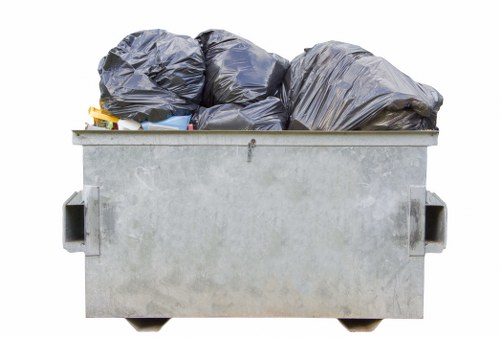
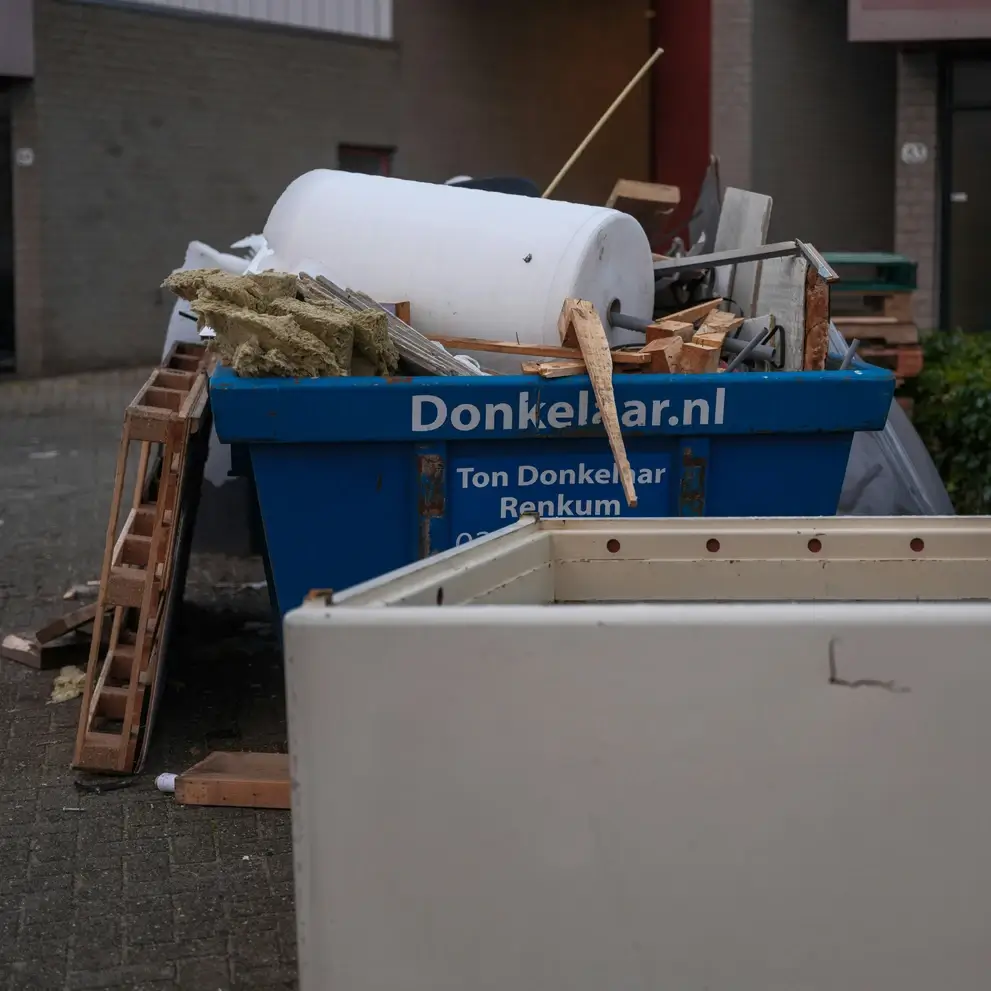
Skip hire in Earls Court gives households, landlords and contractors a straightforward way to deal with bulky waste, renovation rubble and mixed site rubbish without turning the job into a series of small trips to the tip. Our service is built around practical container sizes, sensible loading advice and clear waste handling, so customers can choose a skip that fits the work in hand and keep projects moving with less disruption.
We support a range of jobs, from builders skip hire for heavier construction waste to domestic clearances and lighter household projects. That means you can plan around the material you actually have, rather than trying to force every job into the same solution. If you need a skip for a strip-out, a garden tidy or a general clear-out, the aim is to keep the process direct and commercially sensible.
For speed, access and disposal efficiency, it helps to think about the waste type before you book. Some loads are mostly light and compressible, while others include soil, masonry, timber or mixed renovation waste that needs a more robust approach. If you are comparing options, choose the service that matches the material first, then decide whether you need a standard skip, a permit-based placement, or a solution that avoids long on-street standing time.
Choosing the right skip for your project
Different jobs call for different loading capacities and site arrangements. A bathroom refit may create broken tiles, packaging and old fittings; a kitchen refresh can produce cabinets, worktops and general rubbish; while a larger property project may involve mixed construction waste that is better handled in a dedicated builder-focused container. The right choice keeps the load organised and reduces the need to split waste across several services.
Our skip sizes and prices page is useful when you want to compare the practical side of a booking before confirming it. Size matters because overfilling is not just inconvenient; it can make collection difficult and create avoidable delays. A well-matched skip is easier to load, easier to place and usually easier to manage throughout the work. If you are unsure, it is sensible to look at the kind of waste, the available space and the likely duration of the project.
- Choose a smaller skip for tidy domestic clear-outs or modest repair work.
- Select a larger option when the waste is bulky, heavy or generated in stages.
- Consider access carefully if the skip will need to sit close to the property or work area.
- Separate out restricted materials before loading, so the disposal route stays simple.
Domestic skip hire for home projects

Domestic skip hire is often the most practical answer when a home project creates more waste than a regular bin system can sensibly hold. It suits clear-outs after a move, loft tidying, bathroom alterations, small refurbishments and general household decluttering. The value lies in having one contained place for unwanted material, so the work area stays usable and the waste can be taken away efficiently once the load is ready.
For homeowners, the main decision is usually whether the waste is mostly light household rubbish or a mixed load with heavier items. The latter can affect the size and type of skip needed, especially if the contents include plaster, tiles, timber or soil. Our domestic skip hire service is designed for that kind of everyday residential work, while related options such as house clearance can suit situations where the job is less about ongoing renovation and more about removing accumulated contents in one organised move.
Before booking, it is sensible to think about access, kerb space and how the skip will be loaded. If the waste will be carried through a narrow front path, or if the property has limited frontage, placement needs to be considered early. A clear list of the main waste types helps the quotation process, and it also makes it easier to decide whether the job is better served by a skip, a clearance van or a mixed waste approach. Simple planning saves effort later.
Builders and construction waste disposal
Building work generates waste in more varied forms than a typical household clear-out, so the service has to be chosen with the material stream in mind. Demolition fragments, bricks, plasterboard, old fittings, timber and packaging do not all load or settle in the same way. Our construction waste disposal option helps keep these materials moving from the working area to lawful disposal or recovery without cluttering the site.
Where a project is specifically renovation or refurbishment-led, construction waste clearance provides a practical route for removing debris that has built up over several days or several phases of work. In some cases, a demolition waste removal solution is more suitable, especially when the project includes heavier rubble and broken structural material that needs careful handling. These services are related, but they are not identical, and choosing accurately can make the logistics much easier.
For contractors, the commercial benefit is often found in keeping the working area clear enough for trades to continue safely and efficiently. That can mean arranging collections to match the sequence of the job, rather than waiting until the very end. Waste that is handled in step with the project is less likely to obstruct access, delay loading or complicate site housekeeping.
Access, permits and placing the skip properly
Skip placement is not just a matter of convenience; it affects how smoothly the whole hire runs. Some properties have enough driveway or forecourt space for on-site placement, while others need a pavement or roadside arrangement that may require permission. Our skip permits information is relevant when the container cannot stay wholly on private land, and it is worth checking this early so the booking fits the location rather than the other way round.
When access is tight, the choice of service can shift. A wait-and-load arrangement may be preferable if there is little room for a container, while a standard skip is more useful when the load can be built up gradually. The best option depends on whether the waste will be ready all at once, whether the site has loading space, and whether vehicles can reasonably reach the collection point without creating avoidable obstruction.
Useful questions to consider before requesting a quotation include the approximate waste volume, the type of material, the access route and whether the skip will stand on private land or in a public location. You do not need a technical plan, but a clear description helps the response reflect the actual job. If you are ready to compare options, the next step is simple: send the basic details and ask for a quote.
Alternative waste removal services when a skip is not the best fit
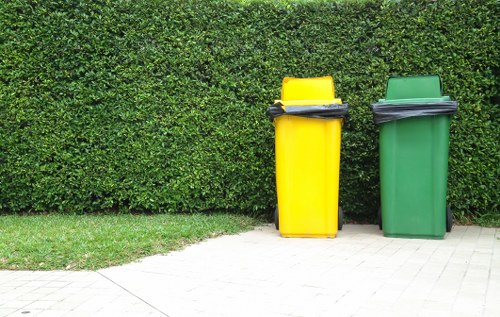
Not every waste job is best handled by a stationary container. Some properties and projects are better served by a collection-based approach where the waste is loaded and removed in one visit. That can be useful when access is awkward, when parking is limited or when the items are bulky but not enough to justify a skip sitting on site. We offer related services that give customers a little more flexibility around how the waste leaves the premises.
For mixed loads and straightforward collections, rubbish removal can be a practical alternative. Where heavy waste needs to be lifted and cleared with minimal on-site storage, grab hire services may be a better operational fit. If the project is very focused on loading from a single point with fewer access issues, wait and load skip hire offers another way to manage waste without leaving a container in place for longer than necessary.
These choices matter because the most suitable service is not always the one that sounds simplest at first. It is often the one that matches the material, the access and the timescale best. That is especially true in built-up areas, where loading restrictions and limited frontage can affect how waste is removed. A careful choice now can reduce handling later and make disposal more efficient overall.
Specialist skips for different waste streams
Some waste streams need more than generic mixed-waste handling. Garden material, office contents, appliances and confidential paperwork all call for a more specific approach, because the disposal route and loading method may differ. We provide several focused services so customers can match the job to the right process rather than overcomplicating it with a one-size-fits-all booking.
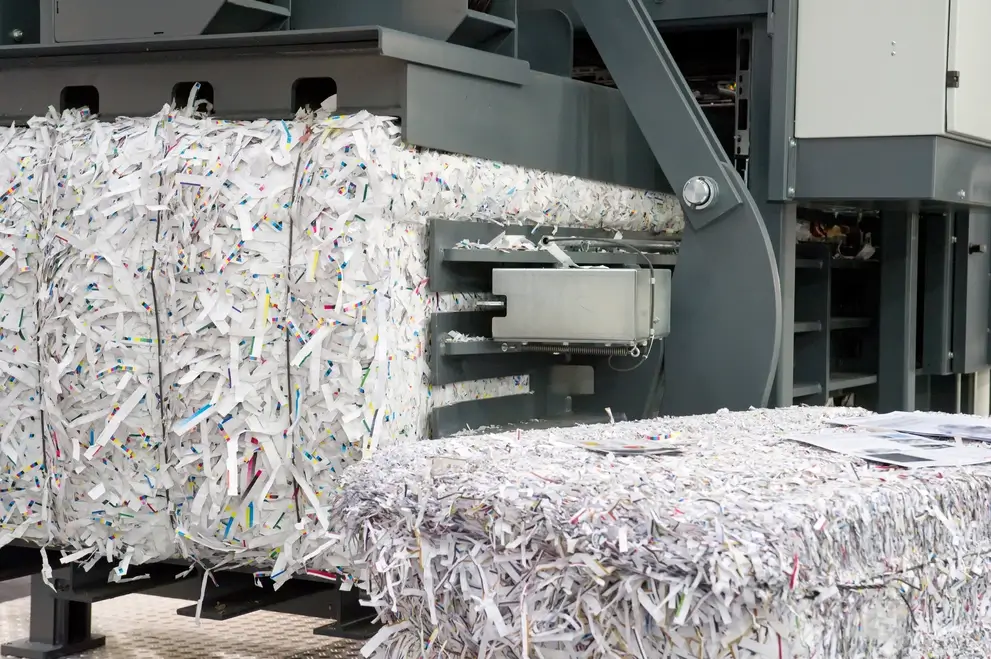
For exterior tidying and landscaping jobs, garden waste removal suits branches, clippings and green material from routine outdoor work. For commercial interiors, office clearance supports the removal of desks, chairs, filing and other workplace contents. If the issue is fixed equipment rather than loose rubbish, fridge and appliance removal is a better match, while confidential shredding is intended for sensitive paper and document disposal.
The benefit of this more specific structure is that the customer can think in terms of the actual waste rather than a generic load. That tends to make quotation requests clearer and can also reduce wasted space if the material is sorted in advance. In practical terms, the right service is the one that reflects what you have now, not what you hope the waste will look like once the job is underway.
About Earls Court
Earls Court is an area of west London best known for its dense urban character, mansion blocks, terraces and busy transport links. It sits within the Royal Borough of Kensington and Chelsea, close to the boundary with the London Borough of Hammersmith and Fulham, and the surrounding streets reflect the layered development of inner London over many decades. The district grew through nineteenth-century suburban expansion, and its later identity was shaped by large-scale residential building, commercial activity and major event venues. Although the famous exhibition centre that once carried the Earls Court name has been demolished, the locality remains strongly associated with the wider central-west London corridor and with the station interchange on the District and Piccadilly lines. Nearby areas such as West Kensington, Brompton and South Kensington give the district a mixed setting of residential streets, hotels, restaurants and everyday retail. The architecture is varied: stucco terraces and mansion flats sit alongside later apartment schemes and post-war infill, creating a compact urban landscape with a clear sense of density. Open space is limited compared with outer London districts, so smaller parks and garden squares take on added importance in the local pattern of movement and amenity. The area’s transport links and long-standing role as an interchange point have made it a recognisable part of west London life for commuters, residents and visitors alike, while its streets continue to show the effects of repeated change, redevelopment and adaptation over time.
Commercial skip hire tailored to ongoing work
Commercial skip hire is useful where waste is produced regularly rather than in one isolated burst. Shops, offices, landlords, maintenance teams and fit-out contractors may all need a repeatable waste solution that supports an active premises or an evolving project. The practical aim is the same: keep the waste controlled so day-to-day work can continue without unnecessary clutter, manual handling or repeated off-site journeys.
For larger business-led jobs, commercial skip hire can be paired with other site-focused services such as site clearance when the task involves both loose waste and broader tidying of the work area. If the waste is more project-specific and includes heavier load types, muck away services can suit groundworks, excavation or spoil removal. These options give businesses a way to match disposal to the pace and structure of the work, rather than treating every load the same.
In commercial settings, timing and access often matter as much as volume. Deliveries, staff movement, customer entry and contractor scheduling all affect where waste can be stored and how quickly it needs to leave. A well-planned hire reduces friction between the disposal process and the wider job. That makes it easier to keep the premises safe, orderly and workable.
Loading rules, waste types and practical limits
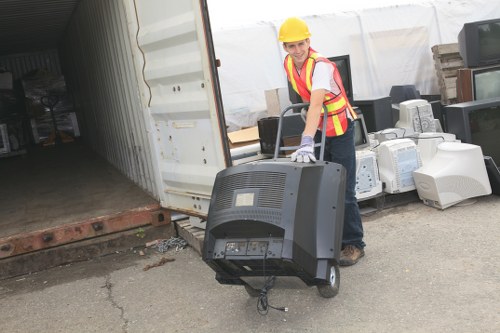
One of the most important parts of skip hire is understanding what should and should not go in the container. Different waste streams may be accepted or excluded depending on disposal rules and the final treatment route. Mixed household rubbish, timber, packaging, fixtures and many common renovation materials are often straightforward, but more specialised items can require separate handling. It is better to sort out those limits before loading than to discover them at collection stage.
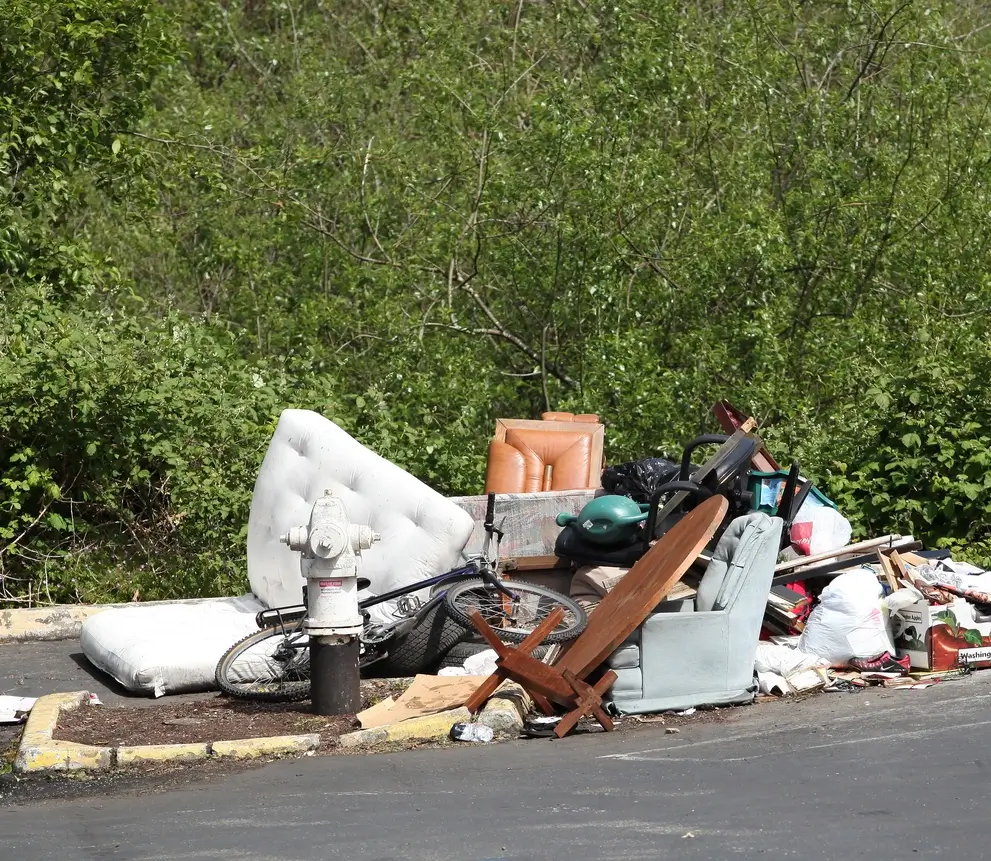
Our what can go in a skip guidance helps customers think about material categories in a sensible way. If the load contains restricted items, it may need another service such as hazardous waste disposal rather than general skip hire. Similar care applies to item-specific removals like mattresses, sofas and appliances, which may be better handled through focused disposal pages rather than placed into a mixed container without checking first.
The most useful rule is simple: the cleaner the load discipline, the smoother the hire. Avoiding prohibited materials protects the disposal process and reduces the risk of complications during collection. When in doubt, describe the waste clearly and ask for the most suitable route. That is especially helpful where a project has started as a standard clear-out but has picked up a few unusual items along the way.
Pricing, booking and the quotation process
Pricing for skip hire depends on the combination of size, waste type, access, placement and the nature of the booking itself. A heavier load can affect disposal costs, while a roadside location may introduce additional steps compared with private-land placement. Because those factors vary from job to job, the most useful quotation is one based on the actual work rather than a rough guess based only on the site name.
If you are comparing options, our pricing and quotes page is a good place to start, and book online offers a direct route when you already know the service you need. Where the job is specific to loading method or timing, pages such as same-day skip hire and enclosed and lockable skip hire may also be relevant, provided they match the practical requirements of the waste and the site.
For a smoother enquiry, keep the waste description clear and concise. A short note about the material, the location of the skip, and any access limits is usually enough to begin. If you have photographs, they can help explain the scale of the job, but they are not always essential. What matters most is an accurate description that lets the right service be chosen first time. Request your quotation when you are ready.
Recycling, responsible disposal and the final step

Modern waste handling is not only about collection; it is also about what happens after the material leaves the property. Depending on the waste type, some items can be separated for recycling or directed into more appropriate recovery streams, while other material must be handled through specialist disposal routes. That makes it useful to work with a service that treats waste as a managed process rather than a one-off dump-and-go transaction.
Our recycling and sustainability page gives a broader view of how waste can be managed with recovery in mind, while waste recycling services can be relevant where the load contains recoverable material that should be separated properly. For customers who want to understand the administrative side, payment and security and insurance and safety provide additional commercial context without changing the main hire decision.
The final step is simple: choose the service that matches the waste, check the access, and ask for a quote. If you already know what you need, use the relevant page to move things forward. If you are still comparing the best option, contact us when you are ready and we will help you narrow it down.